
Let’s Talk…

The Fundamentals: Fit, Fabric & Function
When people wear your branded apparel, they’re wearing your company. When choosing apparel, consider the fundamentals:
Fit, Fabric & Function
T-Shirts
Casual, Fashionable, Performance
Tubular vs Side Seam - The body of a tubular tee is made from one solid piece of fabric, whereas a side-seam tee is made from two; side-seam shirts hold their shape better
Men’s tees have straighter lines and broader shoulders
Women’s tees flare out at the bottom, and often have curved hemlines
Unisex tees try to compromise between the two, having a more boxy, nondescript shape
Additional fit options such as scoop or v-neck, cap, 3/4, long sleeve or sleeveless increase your choices!
FIT

FABRIC
Fabric Type
100% Cotton - Soft, breathable
Combed/Ringspun Cotton - Processes that make cotton smoother, stronger, more luxurious
Polyester - Moisture wicking, quick-drying synthetic fabrics that resist shrinking, wrinkling, and fading
Various Cotton/Poly Blends - Combine the feel of cotton with durability of polyester
TriBlends - Cotton/poly/rayon or other synthetics for a softer feel
Spandex, Elastane, and Performance Blends - Synthetic fibers that add stretchiness, fight odor, and can have UPF properties for outdoor/athletic uses
Sustainable - Bamboo/RPET/Organic Cotton blends that not only have a soft feel, but reduce your carbon footprint
Fabric Weight
Measured in ounces per square yard or grams per square meter (GSM)
Lightweight fabrics - 3.5 - 5 oz/yd
Mediumweight fabrics - 5 - 5.5 oz/yd
Heavyweight fabrics - 5.5 oz/yd and up
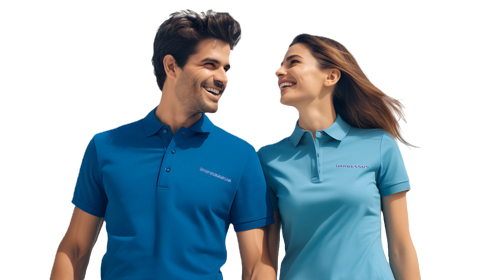
Polos
Workweek to Weekend
Men’s: Broad at the shoulders but narrower going down the sides to the hips
Women’s: Roomier in the chest, narrows at the waist, and flared at the bottom, and often have curved, more feminine hemlines and sleeves
Unisex: A compromise between the two, having a more boxy, nondescript shape
Many women prefer the fit and fashion of a polo specifically styled for them
FIT
FABRIC
Fabric Type
Many choices: Cotton, blends of poly, spandex, rayon, elastane for stretchiness, UPF ratings, odor fighting, etc
Jersey vs Pique: Pique is a waffle-weave knit that allows for more airflow and breathability, seen in classic cotton polos; jersey is a tighter, smoother weave reminiscent of t-shirt material
Polyester & Performance Blends: Lightweight fabric can be clingy. Women often prefer a fabric that provides more discreet coverage
Outwear
Rain or shine, wear it out
FIT
Men’s & Women’s styles vs Unisex - Men’s outerwear has straighter lines and broader shoulders; Women’s can be more fitted; Unisex styles try to compromise between the two, having a more boxy, nondescript shape
FABRIC
Fabric Type
Match the weight and type of fabric to its use
Fleece Jackets are primarily for warmth
Softshells combine warmth and water resistance
3-in-1 systems come with removable shells that allow you to dress for the weather - whatever it may be
Fabric Function
Warmth - accomplished by fabric (fleece, down, polyfill) and weight
Water Resistance - Typically a poly/nylon face bonded to a water resistant membrane. The size of the holes in the membrane determine its water resistance rating, from 0 to 5000 mm (very little resistance) to 20,000+ mm (waterproof). Look for taped seams (waterproof tape applied to zipper and seam stitches)
Breathability - The same membrane that keeps water OUT, allows water vapor (sweat) to escape. Ratings of 0 to 5,000 g are good for normal casual wear; 20,000+ g for high intensity work or exercise
When in doubt: Ask us for samples!
The possibilities: almost endless.
Invest in your business with wearable advertising.
Invest in truly custom, attention-grabbing, impressive branded apparel.